Home » 2020 (Page 2)
Yearly Archives: 2020
Growing out of Oneself
Personal growth is the theme of most management text books and self-development manuals. A passage by Lebanese-American poet Kahlil Gibran is a timely reminder in this fearful age of Covid. It reminds us that death is only the ultimate step of self-development and growth in the journey of life.
“It is said that before entering the sea, a river trembles with fear. She looks back at the path she has traveled, from the peaks of the mountains, the long winding road crossing forests and villages. And in front of her, she sees an ocean so vast, that to enter there seems nothing more than to disappear forever. But there is no other way. The river can not go back. Nobody can go back. To go back is impossible in existence. The river needs to take the risk of entering the ocean, because only then will fear disappear, because that’s where the river will know — it’s not about disappearing into the ocean, but of becoming the ocean.”
Carbon Capture and Storage – too expensive to save humanity? — Electrifying

Carbon Capture and Storage (CCS) can be practised in two ways, naturally and mechanically. The natural approach is much about planting additional trees[1], algae in the sea[2] or even the most giant creatures on earth, whales, contribute to natural CCS by consuming massive amounts of carbon within their lifespan of up to a century[3]. The mechanical procedure […]
via Carbon Capture and Storage – too expensive to save humanity? — Electrifying
The Hydrogen Economy
The hydrogen economy may be only a decade away, or more. Some people think that battery electric vehicles will replace combustion engines in the interim. Whatever the case, there are exciting new developments happening in the world of hydrogen. Here’s a shared post from the blog Electrifying entitled Hydrogen – unleash the beast.
Corona-tion Times
Thousands of thinking people all over the world are now beginning the see the current corona pandemic as an opportunity to radically restructure the world; to reduce our consumption of resources from a finite planet; to recalibrate a global economic system that enriches the 1% while impoverishing the 99% (and the planet in the bargain), to rethink our agricultural systems, currently dominated by large holdings and industrial corporations, to small farms and tenants who look to enhance biodiversity rather than only being driven by increased yields and profit.

Will humanity choose the road less travelled?
In whichever country in the world we live in right now, the crucial question our governments will deal with in the immediate aftermath of the current crisis will be: which of the following systems will be bailed out first: Banks and the financial system; major food corporations and large producers; the biggest energy utilities; airlines and the transportation system.
From the point of view of the average citizen, all of them are of equal importance. Most important, of course, is access to the most basic needs of life; food, clothing and shelter. In extraordinary times like this, when governments throw fiscal discipline overboard in order to preserve life, the idea of Universal Basic Income (UBI) suddenly looks attractive again. Here’s a link to a Wikipedia article on UBI that shows how the idea was first touted in the early 16th century in Sir Thomas More’s Utopia.
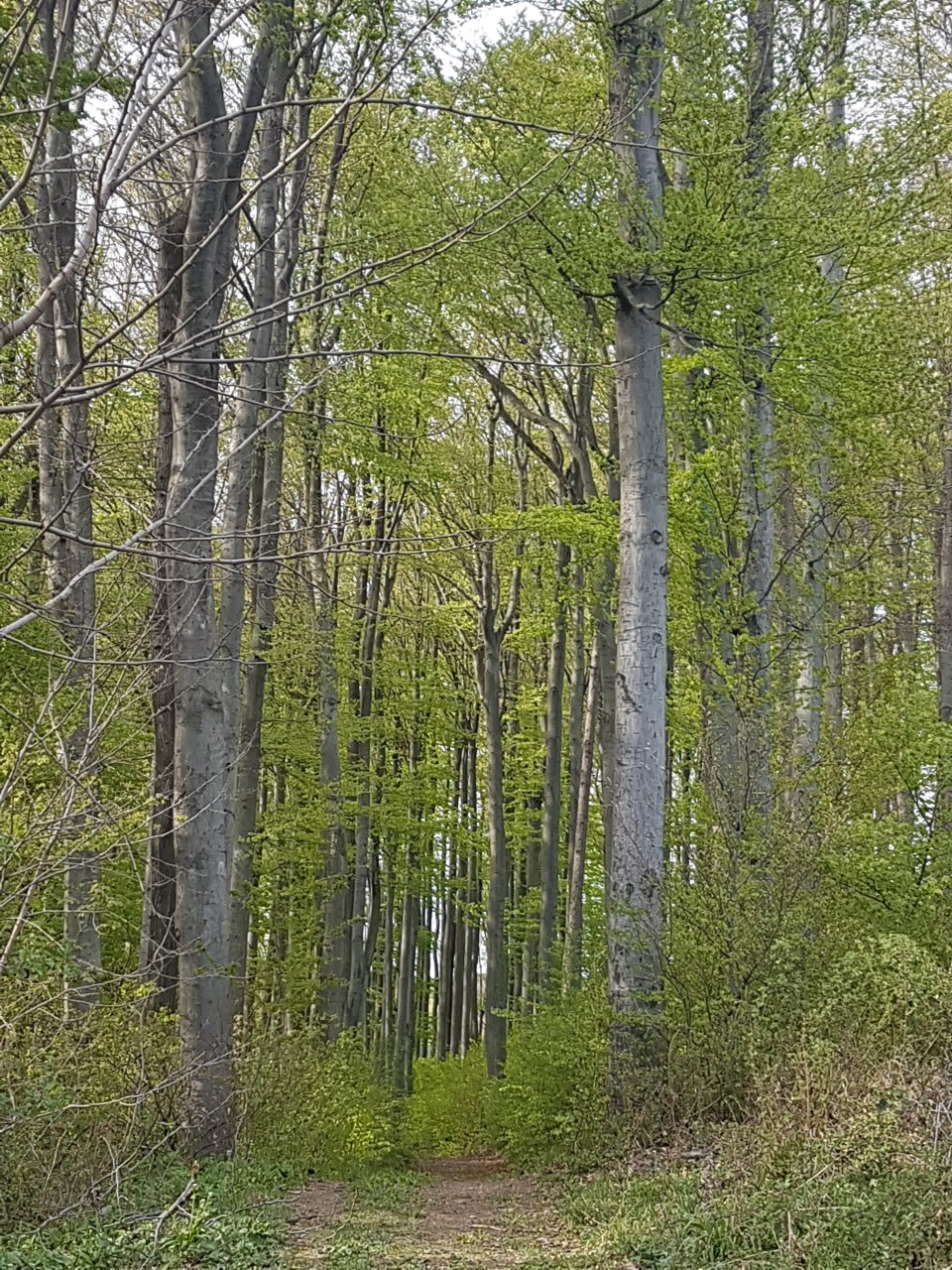
The lockdown continues, and Nature flourishes
Would the UBI plan work? In the best of all possible worlds, it certainly might, considering that the assets of the above-mentioned 1% would cover the costs. Is the UBI plan feasible? Who knows? Or as Shakespeare had Hamlet expressing doubt, “Ay, there’s the rub, for in that sleep of death what dreams may come when we have shuffled off this mortal coil, must give us pause.” On the other hand, a modern philosopher reminds us that a good crisis should never be thrown away. In other words, who knows what solutions may be workable in these extra-ordinary circumstances as we enter a new paradigm of learning, living, and learning to live.
 aviott